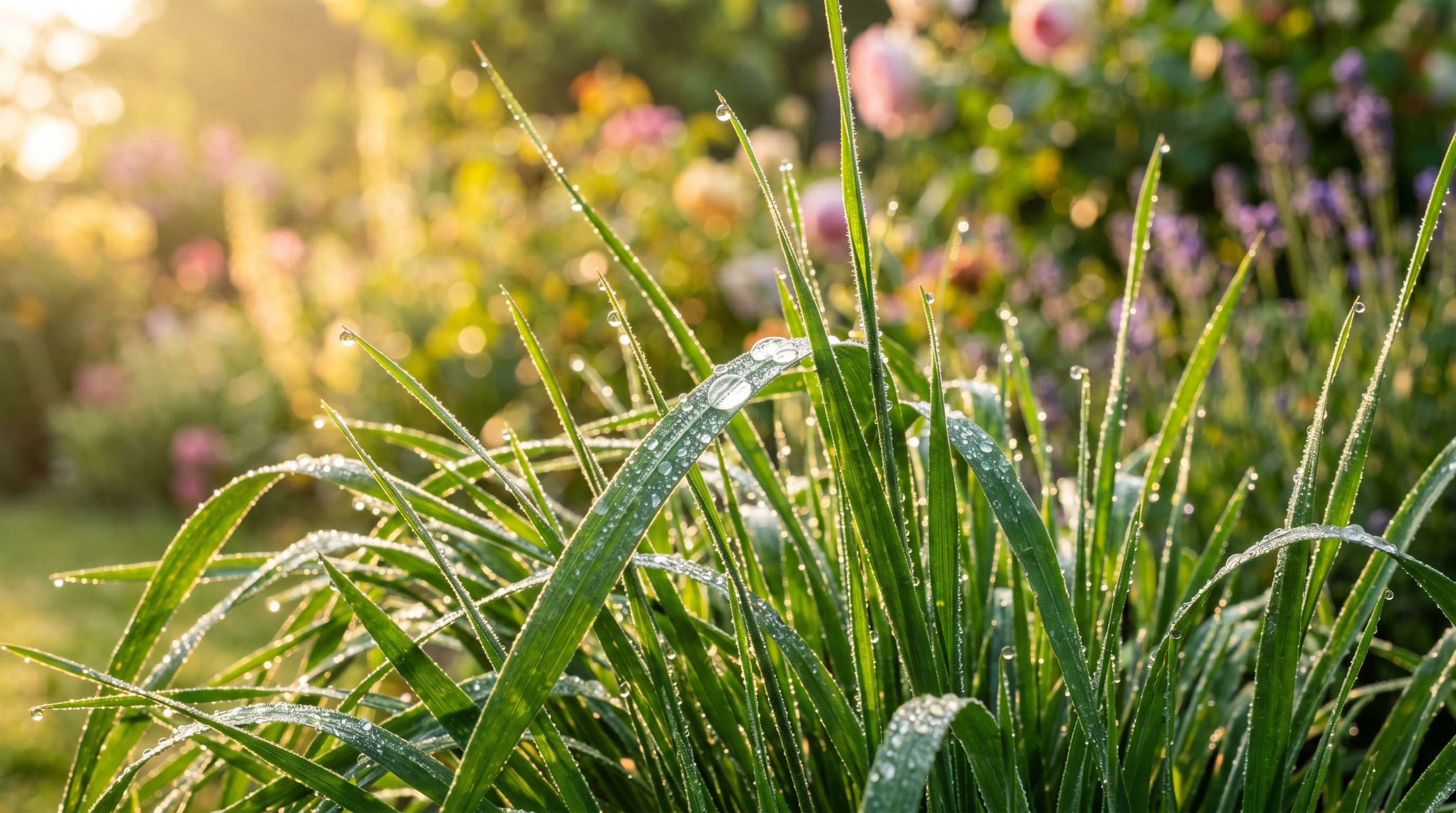
A healthy lawn is 80% soil, 15% timing, and 5% product. Focus on soil biology with compost and pH correction, time your inputs to the grass type's growth cycle, mow tall with a sharp blade, water deeply and infrequently, and fertilize in fall. Everything else is optimization.
Lawn care is one of those subjects where confident-sounding advice is everywhere and agreement is rare. One neighbor swears by weekly fertilizer; another says it's a scam. Your local garden center pushes premium seed blends; the internet tells you it doesn't matter. After years of maintaining our own properties and talking with landscapers, agronomists, and turf-management researchers, we've settled on a set of practices that consistently produce thick, green lawns without constant work or huge chemical bills.
This guide walks through the whole picture — from the soil beneath your feet to the calendar on your wall — and flags the handful of products that are actually worth spending money on. Where we recommend specific gear, you'll see product cards with current pricing links.
1. Soil preparation: the step everyone skips
If you do one thing differently this year, make it this: test your soil. A laboratory test from your state's Cooperative Extension Service costs $15–$25 and will tell you more about why your lawn struggles than any YouTube video. You'll get back pH, organic matter percentage, and levels of the key macro- and micronutrients. Every other decision flows from these numbers.
Why pH matters more than fertilizer
Turfgrass thrives in soil with a pH between 6.0 and 7.0. Outside that range, nutrients like phosphorus and iron become chemically locked up — they're physically in the soil but unavailable to grass roots. We've seen homeowners fertilize heavily for years while their pH sat at 5.2 and the lawn got incrementally worse. A $12 bag of pelletized lime can do more than a $60 bag of fertilizer in that scenario.
- Below 6.0: Apply pelletized lime. Plan on 40–50 pounds per 1,000 sq ft to raise pH by one full point.
- Above 7.5: Apply elemental sulfur at 5–10 pounds per 1,000 sq ft, gradually.
- Ideal 6.3–6.8: Focus on organic matter instead.
Building soil biology with compost
Healthy soil is alive. A cubic foot of good lawn soil contains billions of bacteria, yards of fungal hyphae, and tens of thousands of protozoa and nematodes — all of which cycle nutrients and build resilience. The fastest way to improve soil biology is to top-dress with a quarter-inch layer of screened compost once a year, ideally in early fall. It breaks down into the root zone over the winter and feeds everything else you do the following season.
Core aerate before top-dressing. The holes give compost and seed a direct path into the root zone instead of sitting on top where mowing eventually removes them.
2. Seeding, overseeding, and when to sod
The gap between a premium seed blend and a bargain-bin bag is larger than almost any other product category in lawn care. Cheap seed contains filler species, annual ryegrass, and a high percentage of weed seed allowed by law (read the label — "other crop seed" and "weed seed" percentages are listed). Paying $60 instead of $25 for a 25-pound bag of certified sod-quality seed is the highest-ROI upgrade most people can make.
Choosing a grass species
- Cool-season (Northern US): Kentucky bluegrass, perennial ryegrass, tall fescue, fine fescues. Plant in late August through September.
- Warm-season (Southern US): Bermuda, zoysia, St. Augustine, centipede. Best established from sod or plugs in late spring.
- Transition zone: Tall fescue is the most forgiving choice. Blends with improved cultivars handle summer heat and winter cold best.
Overseeding existing lawns
Even a healthy lawn benefits from overseeding every two to three years. Cool-season turf thins over time as older plants die out; introducing improved cultivars keeps the stand dense and weed-resistant. For best results, mow low (1.5"), core aerate heavily, broadcast seed at half the new-lawn rate, and top-dress with compost. Water lightly twice daily until germination (7–14 days), then transition to deep infrequent watering.
We may earn a commission when you buy through links on this page. We only recommend products our team has tested on real lawns. Pricing and availability change; click through to confirm.
3. Mowing best practices
Mowing is the single most frequent lawn task and the one that most directly shapes grass health. Three variables matter: height, frequency, and blade condition. Get these right and you'll cut weed pressure, reduce watering needs, and visibly improve color within a few weeks.
Mow tall — really tall
The most common mistake we see is mowing too short. Taller grass shades the soil, reducing evaporation and preventing weed seed germination. It also produces more surface area for photosynthesis, which feeds deeper roots. Set your mower to the highest or second-highest setting. For cool-season lawns, that's 3.5–4 inches. For Bermuda or zoysia, 1.5–2.5 inches. Never remove more than one-third of the blade in a single cut.
Sharpen your blade twice a season
Dull blades tear grass rather than slicing it cleanly. Torn tips turn white and brown within a day or two, giving the whole lawn a washed-out look and creating entry points for fungal disease. Sharpen at the start of the season and again mid-summer, or keep a spare blade in the garage to swap in. A balanced sharpen takes about 15 minutes with a file or angle grinder.
Mulch clippings, always
Bagging grass clippings is a habit from the days of gas-powered mowers that couldn't chop fine enough. Modern rotary mowers with sharp blades pulverize clippings into fragments that settle through the canopy and break down in under a week. Returned clippings supply up to 25% of a lawn's annual nitrogen and don't cause thatch — thatch is a buildup of undecomposed plant crowns and stems, not leaf tissue.
4. Fertilizing schedule that actually works
The fertilizer industry has sold homeowners on a "four-step" program that, for most climates, over-feeds in spring and under-feeds in fall — the opposite of what cool-season grasses need. Here's a simpler, cheaper, and better-researched approach.
The fall-focused schedule (cool-season lawns)
- Early April: Half-rate slow-release nitrogen (about 0.5 lb N / 1,000 sq ft). Supports green-up without forcing leggy top growth.
- Memorial Day: Optional iron application for color without growth surge.
- Labor Day: Full-rate slow-release (1 lb N / 1,000 sq ft). This is the most important feeding of the year.
- Late October / early November: "Winterizer" application (1 lb N / 1,000 sq ft). Drives root growth into winter and jumpstarts spring green-up.
Warm-season lawns flip the calendar
Bermuda and zoysia feed during their active growing period — late May through mid-August. Skip the fall application entirely; feeding warm-season grass late in the year delays dormancy and invites cold damage.
Organic vs. synthetic: what we actually use
Synthetic fertilizers are cheaper per pound of nitrogen and work faster. Organic products (corn gluten meal, composted chicken manure, Milorganite) feed soil biology alongside the plant, release nutrients slowly, and don't burn. We use a hybrid approach: one slow-release synthetic in spring, Milorganite in early summer, and a finishing synthetic winterizer in late fall. The lawn looks great and we spend less than $80 annually on 5,000 square feet.
5. Weed control without nuking everything
The best weed control is a thick lawn. Dense turf shades out 90% of weed seed before it germinates, which is why the upstream advice in this guide — mowing tall, overseeding, feeding properly — matters more than any herbicide. That said, targeted use of herbicides has a place, especially when reclaiming a neglected lawn.
Pre-emergent: time it right or don't bother
Pre-emergent herbicides (prodiamine, dithiopyr, pendimethalin) prevent crabgrass and other annual weeds from germinating — but only if applied before soil temperatures hit 55°F at a depth of 2 inches. In most of the U.S., that coincides with the first bloom of forsythia. Miss the window and you've spent money on nothing. Forsythia is a surprisingly reliable phenological cue; set a reminder to check it every two days in early spring.
Post-emergent spot treatment
For a handful of dandelions, clover, or plantain, a pump sprayer and a selective broadleaf herbicide are far cheaper and more effective than a blanket application. Spot-spraying uses about 5% of the chemical of a whole-lawn treatment. For larger infestations, a targeted hose-end sprayer works. Avoid doing either during drought or extreme heat — stressed grass absorbs damage too.
Corn gluten meal is a legitimate organic pre-emergent and a mild nitrogen source (roughly 10% N). It works, but only after 3–5 years of consistent use — one season doesn't move the needle. Worth considering if you're committed to an organic program.
6. Watering systems and strategy
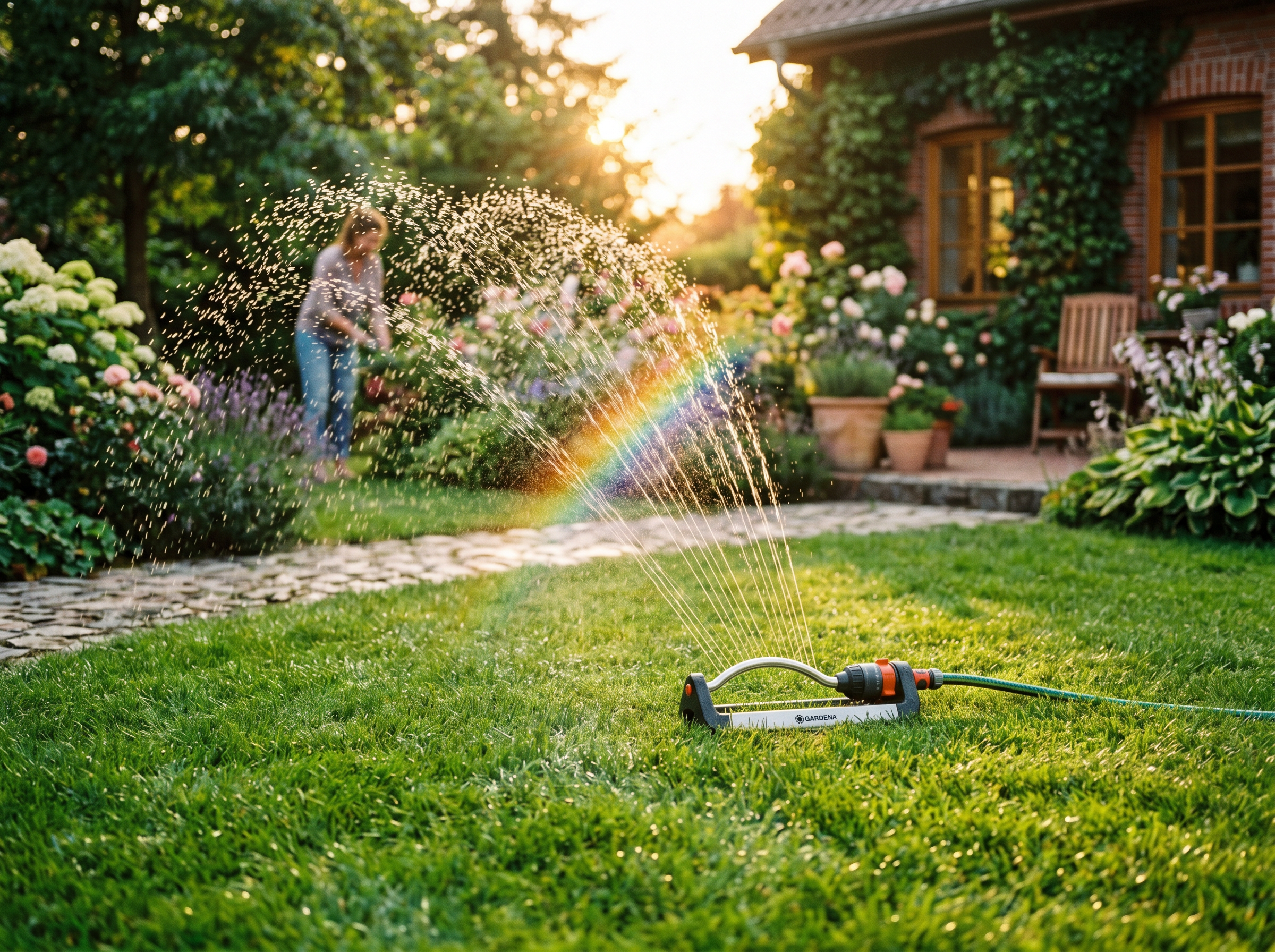
Most lawns are either over-watered or watered wrong — short daily bursts that keep only the top inch of soil moist. Shallow water produces shallow roots, and shallow-rooted grass dies first in a drought. The goal is to train grass roots to grow deep, and you do that by watering deeply and infrequently.
The one-inch rule
Aim for one inch of water per week, including rainfall, split into two or three sessions. Measure with an empty tuna can or small straight-sided cup placed in the spray pattern. Adjust your sprinkler or irrigation system until the can fills in about 25–30 minutes. That's your weekly target, divided by however many sessions you run.
When to water
- Best: Between 4 a.m. and 9 a.m. Low evaporation, grass dries before evening.
- Acceptable: Late afternoon (before 4 p.m.) on hot days.
- Avoid: Evening watering — wet grass overnight invites fungal disease.
Smart controllers pay for themselves
If you have an in-ground irrigation system, a smart controller (Rachio, RainMachine, Hunter Hydrawise) uses local weather data to skip unnecessary cycles. Most users see a 20–40% reduction in water bills, and many municipalities offer rebates that cover most of the purchase price. For homeowners with hose-end sprinklers, a simple programmable timer from Orbit or Melnor does the same job on a smaller budget.
7. Seasonal maintenance calendar
Here's the year in a glance — what to do, roughly when, for a cool-season lawn. Warm-season growers can shift this timeline about six weeks later.
Spring (March – May)
- Rake out winter debris; dethatch if layer exceeds ½ inch
- Soil test if you haven't in 2+ years
- Apply pre-emergent at forsythia bloom
- Light fertilizer application in late April
- Sharpen mower blade; raise cutting height
- Overseed bare patches after last frost
Summer (June – August)
- Mow at tallest setting (3.5"–4" for cool-season)
- Water deeply, 1" per week, mornings only
- Spot-treat weeds during cool, damp mornings
- Optional iron application for color without top growth
- Avoid heavy fertilizer during heat stress
Fall (September – November)
- The biggest month of the year for cool-season lawns: overseed, aerate, top-dress with compost
- Labor Day fertilizer application
- Control perennial broadleaf weeds while they're translocating to roots
- Winterizer application in late October or early November
- Drop mowing height slightly for the final cuts (2.5"–3")
- Blow or mulch leaves — do not let them mat for weeks
Winter (December – February)
- Plan next year's soil test and products
- Service mower: change oil, air filter, spark plug, sharpen blade
- Order seed and fertilizer before spring rush
- Stay off frozen or snow-covered turf to avoid crown damage
Frequently asked questions
How often should I mow my lawn?
Mow whenever the grass grows about one-third taller than your target height. For most cool-season lawns that means weekly during spring and fall, and every 10–14 days during summer dormancy. Never remove more than a third of the blade in a single cut — it stresses the plant and invites disease.
When is the best time to fertilize a lawn?
The single most important application for cool-season grasses is in fall — typically September through early November. A light spring feeding in April or May supports green-up without encouraging weak top growth. For warm-season lawns, focus fertilization on late May through August when the grass is actively growing.
How much water does a lawn need?
Most established lawns need about one inch of water per week, including rainfall. Water deeply and infrequently — two to three times per week — rather than daily, to encourage deep roots that can survive drought. Measure with a tuna can in the spray pattern to calibrate your system.
Should I bag or mulch my grass clippings?
Mulch in place. Clippings return up to 25% of a lawn's annual nitrogen need, break down within a week, and do not cause thatch when mowed at proper intervals. Bagging is only useful if you're mowing extremely long grass after vacation or dealing with disease outbreaks.
Is it worth hiring a lawn care service?
For fertilizer and weed control applications, a reputable local service runs $300–$600 annually for an average lawn and applies products at the right times with calibrated equipment — a real value if you don't enjoy the work. National chains often apply too aggressively; ask for a soil test and a program tailored to your grass type. For mowing, hiring out typically costs $40–$80 per visit; most homeowners break even after 2–3 seasons on a quality self-propelled mower.